How to Recover Your Body After the Inca Trail: A Therapist’s Guide
You made it. You walked the Inca Trail, reached the Sun Gate at dawn, and stood in front of Machu Picchu with tired legs and a full heart. That feeling is unforgettable.
But by the time you get back to Cusco, your body is telling a different story. Your calves are tight, your lower back aches, your feet feel like they have carried the weight of the Andes — because they have.
Recovering properly after the Inca Trail is not just about resting. It is about giving your body the right kind of attention so that you can keep enjoying your time in Peru without feeling broken for days. This guide shares practical therapist-backed steps to help you recover faster, reduce soreness and feel like yourself again.
What the Inca Trail Actually Does to Your Body
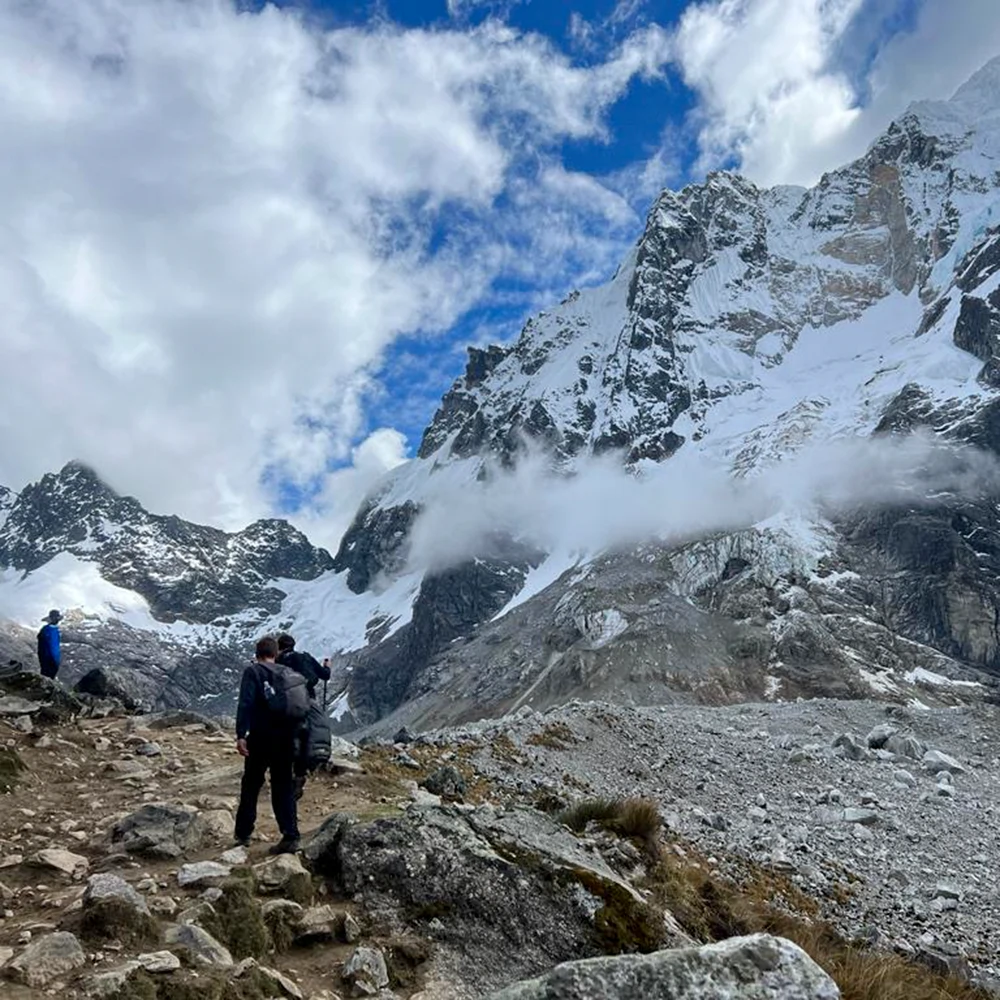
The Classic Inca Trail covers around 43 kilometers over four days, reaching its highest point at Dead Woman’s Pass — 4,215 meters above sea level. That is not a casual walk.
At high altitude, your body operates under stress. With less oxygen available, your heart beats faster, your breathing deepens, and your muscles work harder to perform the same movements they would at sea level. Combine that with hours of climbing steep stone steps, descending uneven terrain and carrying a day pack, and you have the perfect recipe for deep physical fatigue.
The most commonly affected areas after the Inca Trail are:
- Quadriceps and hamstrings — from the long descents on Day 2 and Day 3
- Calves — from sustained uphill climbing, especially approaching Dead Woman’s Pass
- Lower back — from carrying a pack and maintaining posture on uneven ground
- Feet and ankles — from hours of walking on ancient stone paths
- Shoulders and upper back — from even a light daypack worn for many hours
Beyond the muscles, many trekkers also experience general fatigue, mild dehydration and disrupted sleep from camping at altitude. Recovery needs to address all of these layers, not just the soreness.
The First 6 Hours: What to Do Right After You Finish
The first hours after completing the trail are critical. Your muscles are still warm, inflammation is beginning and your nervous system is slowly coming down from the sustained effort. How you treat your body in this window shapes how sore you will feel the next morning.
Rehydrate Immediately and Consistently
Altitude increases fluid loss through breathing and perspiration, often without you noticing how much you are losing. By the time you feel thirsty at high altitude, you are already mildly dehydrated. Drink water steadily throughout the rest of the day — not in large gulps, but consistently. Adding electrolytes (available at pharmacies in Aguas Calientes and Cusco) helps your body absorb and retain fluids more effectively.
Eat a Recovery Meal with Protein and Carbohydrates
Your muscles need raw materials to repair. A meal that combines protein — chicken, quinoa, eggs, legumes — with carbohydrates helps replenish glycogen stores and provides the amino acids your muscles need to rebuild. Do not skip eating because you feel tired. This is one of the most important recovery steps most trekkers overlook.
Change Out of Wet or Sweaty Clothing
Staying in damp clothing after a long hike can cause your body temperature to drop and your muscles to tighten. Change into dry, comfortable clothes as soon as possible. Keeping your muscles warm helps them stay relaxed and reduces post-exercise stiffness.
Do a Gentle 10-Minute Stretch
You do not need a full yoga session. A gentle stretch focused on your quads, hamstrings, calves and lower back — held for 30 to 40 seconds each — can make a meaningful difference the next morning. Stretching while your muscles are still warm helps maintain flexibility and reduces the intensity of delayed onset muscle soreness (DOMS), which typically peaks 24 to 48 hours after intense exercise.
The Next Day: How to Handle Delayed Muscle Soreness
Many trekkers feel surprisingly functional the evening after finishing the trail, only to wake up the following morning barely able to walk down a flight of stairs. This is completely normal. It is caused by delayed onset muscle soreness — a natural inflammatory response to the microscopic damage that occurs in muscle fibers during intense exercise.
DOMS typically peaks around 24 to 48 hours after the effort. Knowing this is coming helps you plan your recovery.
Keep Moving — Gently
The temptation is to stay in bed all day. Resist it. Light movement — a slow walk around the Plaza de Armas, gentle stretching, easy walking — actually helps more than complete rest. Movement encourages blood flow to the muscles, which accelerates the removal of metabolic waste and speeds up repair.
Apply Heat to Tight Areas
Heat relaxes muscles. A warm shower focused on your lower back and legs, a hot water bottle or a warm towel applied to the tightest areas can provide significant relief. Unlike ice — which is better suited for acute injuries — heat is the right tool for general post-exercise muscle tightness.
Get a Professional Massage
This is the single most effective recovery tool available to you in Cusco. A professional massage on the day after your trek does several things at once: it releases muscle tension, stimulates circulation, reduces inflammation, and activates the parasympathetic nervous system — which shifts your body from a state of stress and effort into genuine rest and recovery.
The key is choosing the right type of massage for your condition.
Which Type of Massage Is Best After the Inca Trail?
Not all massages are equal when it comes to post-trek recovery. The right choice depends on how your body feels.
If your muscles feel deeply sore and knotted, a therapeutic deep tissue massage is the most effective option. It works on the deeper layers of muscle and connective tissue, releasing the tight bands that form during sustained physical effort. It can feel intense at certain points, but the relief afterward is significant.
If your body feels exhausted and overstimulated, a relaxing massage with slower, flowing strokes may be more appropriate. Sometimes the body needs calm more than pressure. A relaxing massage activates the parasympathetic nervous system, lowers cortisol and allows deep rest — something that is hard to achieve on your own after days of physical and emotional intensity.
If your feet took the worst of it — which is common after walking on ancient stone paths — reflexology can bring remarkable relief. It focuses on pressure points in the feet that correspond to different systems in the body, helping relieve foot fatigue and improving overall relaxation.
If you want the deepest muscle relief available, a hot stone massage uses the warmth of volcanic stones placed on and along the muscles to penetrate deeper than hands alone can reach. The heat relaxes tight tissue before the therapist begins working on it, making the session more effective and more comfortable.
At Oasis Massage Cusco, our therapists are experienced in working with trekkers and can recommend the right approach based on your specific condition when you arrive.
A Simple 48-Hour Recovery Plan for Inca Trail Trekkers
Here is a practical framework you can follow after finishing the trail.
Same day (Day 0): Rehydrate steadily. Eat a proper recovery meal. Change into dry clothes. Do a gentle 10-minute stretch. Go to bed early.
Day 1 after the trek: Move gently in the morning — a slow walk is enough. Book and receive your massage in the late morning or early afternoon, when muscles are warm but not overworked. Apply heat to any remaining tight areas in the evening. Keep hydrating.
Day 2 after the trek: Most of the acute soreness should be noticeably reduced. Continue gentle movement. Consider a second lighter massage or a reflexology session if your feet still feel fatigued. You should be ready to enjoy sightseeing in Cusco comfortably.
When to Be Cautious
A professional massage is safe and beneficial for most trekkers. However, there are a few situations where you should be careful or consult a medical professional before booking a session.
If you experienced a fall or impact on the trail and have localized pain that feels sharp or different from general muscle soreness, get that area checked first. Similarly, if you have visible swelling in a joint — particularly a knee or ankle — that swelling may indicate an acute injury rather than general fatigue, and should be assessed before massage.
If you are still experiencing significant symptoms of altitude sickness — persistent headache, nausea, dizziness or difficulty breathing — rest and acclimatization take priority over massage.
For the vast majority of trekkers, however, these concerns do not apply. The discomfort you feel after the Inca Trail is normal, healthy and very treatable.
One Final Thought
Completing the Inca Trail is an achievement that few people in the world ever experience. The stone paths you walked were built by the Inca civilization over 500 years ago. The landscapes you passed through are among the most extraordinary on earth.
Your body carried you through all of it.
Taking care of that body after such an effort is not an indulgence. It is respect — for the journey you completed and for the adventures still ahead of you in Peru.
If you are in Cusco and looking for professional post-trek recovery, we would be honored to be part of your journey.
📍 Oasis Massage Cusco — 338 Triunfo Street, 2nd Floor, Cusco
📞 +51 924 722 702 | Open daily 9:00 AM – 10:00 PM