Exploring the Andes is an unforgettable adventure. From the legendary Inca Trail to Machu Picchu to the breathtaking landscapes of Rainbow Mountain and the Sacred Valley, trekking in Cusco is an experience that challenges and rewards the body at the same time.
However, after hours—or even days—of hiking through mountain trails, your muscles often feel the impact. Legs become tired, shoulders feel tight from carrying backpacks, and your body may crave a moment of deep recovery.
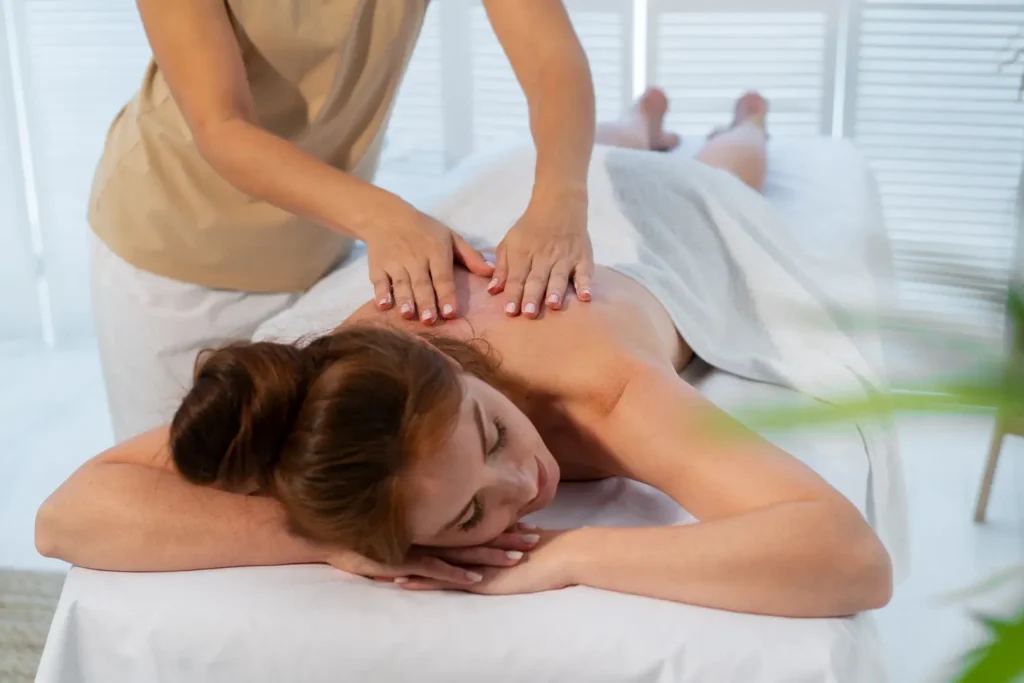
This is where a post-trek massage in Cusco becomes more than just a luxury. It becomes one of the best ways to help your body recover, relax and regain energy after a demanding adventure in the Andes.
Why Your Body Needs Recovery After Trekking
Trekking in Cusco is physically demanding for several reasons.
First, the altitude plays a significant role. Cusco sits at approximately 3,400 meters (11,150 feet) above sea level, which means your body works harder to adapt to lower oxygen levels.
Second, many trekking routes involve long walking distances across uneven terrain, steep ascents and descents, and continuous physical effort over several hours or days.
After completing a trek, travelers commonly experience:
- Muscle soreness in the legs and calves
- Tightness in the back and shoulders
- Foot fatigue and swelling
- General body stiffness
- Physical exhaustion
While rest helps, a professional post-trek massage can significantly accelerate the body’s recovery process.
Benefits of a Post-Trek Massage in Cusco
A massage after trekking offers several physical and mental benefits that help your body recover more quickly.
Reduces Muscle Tension
During a long hike, muscles contract repeatedly and may develop tight areas or knots. Massage techniques help release this tension, allowing muscles to relax and regain flexibility.
Improves Blood Circulation
Massage stimulates blood flow, which helps deliver oxygen and nutrients to tired muscles. This process helps reduce soreness and supports faster muscle recovery.
Decreases Inflammation
After intense physical activity, muscles may become inflamed. Massage can help reduce swelling and improve lymphatic drainage, which helps remove metabolic waste from the muscles.
Promotes Deep Relaxation
After days of trekking, your body often enters a state of deep fatigue. Massage helps calm the nervous system and allows your body to fully relax and reset.
Best Types of Massage After Trekking
Not all massages are the same. Some techniques are particularly effective for post-trek recovery.
Deep Tissue or Therapeutic Massage
This type of massage focuses on deeper layers of muscle tissue. It helps release tight areas caused by prolonged physical activity and is especially beneficial for sore legs, lower back tension and shoulder stiffness.
Swedish Massage
Swedish massage uses long, flowing strokes combined with gentle kneading movements. It improves circulation and helps the body relax while still providing relief to tired muscles.
Hot Stone Massage
The warmth from volcanic stones helps muscles relax faster. The heat penetrates deep into the tissue, making it easier to release tension and relieve soreness after trekking.
Reflexology
After long hikes, feet often experience the most fatigue. Reflexology focuses on pressure points in the feet that correspond to different areas of the body, helping relieve foot pain and improve overall relaxation.
When Is the Best Time to Get a Massage After Trekking?
Many travelers wonder whether they should get a massage immediately after finishing their trek or wait until the next day.
In most cases, the best time is within 24 hours after completing the trek. This is when muscles begin to recover but may still feel tight and sore.
A massage during this period can help:
- Reduce delayed muscle soreness
- Improve circulation
- Relax the body after physical stress
However, the pressure should be adjusted depending on how sensitive the muscles feel.
Relaxation After the Inca Trail or Other Treks
Completing a trek such as the Inca Trail, Salkantay Trek, Lares Trek, or Rainbow Mountain hike is a huge accomplishment. Your body has worked hard to reach incredible landscapes and unforgettable viewpoints.
After such an adventure, taking time to recover is essential.
A post-trek massage provides the perfect opportunity to slow down, breathe deeply and allow your body to release accumulated tension.
Many travelers say that a massage after trekking becomes one of the most rewarding moments of their journey.
Supporting Your Body’s Recovery
In addition to massage, there are a few things you can do to help your body recover after trekking in Cusco.
These include:
- Drinking plenty of water to stay hydrated
- Stretching gently to maintain flexibility
- Getting enough rest after long hikes
- Eating nutritious meals to restore energy
When combined with a professional massage, these practices can help your body recover faster and prepare you for the next adventures in your trip.
The Perfect Way to End Your Trekking Adventure
Trekking through the Andes is an experience that stays with you forever. The breathtaking landscapes, ancient trails and sense of accomplishment make every step worthwhile.
But after the challenge comes the reward.
Taking time for a post-trek massage in Cusco allows your body to relax, recover and fully appreciate the journey you have completed. It is a moment of calm after days of effort—a well-deserved pause before continuing your exploration of Peru. Sometimes, the best way to celebrate finishing a trek is simply to relax and let your body recover in complete comfort.